Portable Air Compressor Rental: Everything You Need to Know
Portable air compressors are among the most versatile pieces of equipment used across construction, infrastructure, manufacturing, oil and gas, mining, and industrial projects. From powering pneumatic tools and drilling equipment to supporting sandblasting and concrete demolition, portable air compressors deliver reliable compressed air wherever it is needed.
However, purchasing an industrial-grade air compressor can be a significant investment. That's why many contractors and businesses choose portable air compressor rental services to gain access to high-performance equipment without the costs and responsibilities of ownership.
This guide covers everything you need to know about portable air compressor rentals, including benefits, applications, selection criteria, costs, and best practices.
What Is a Portable Air Compressor?
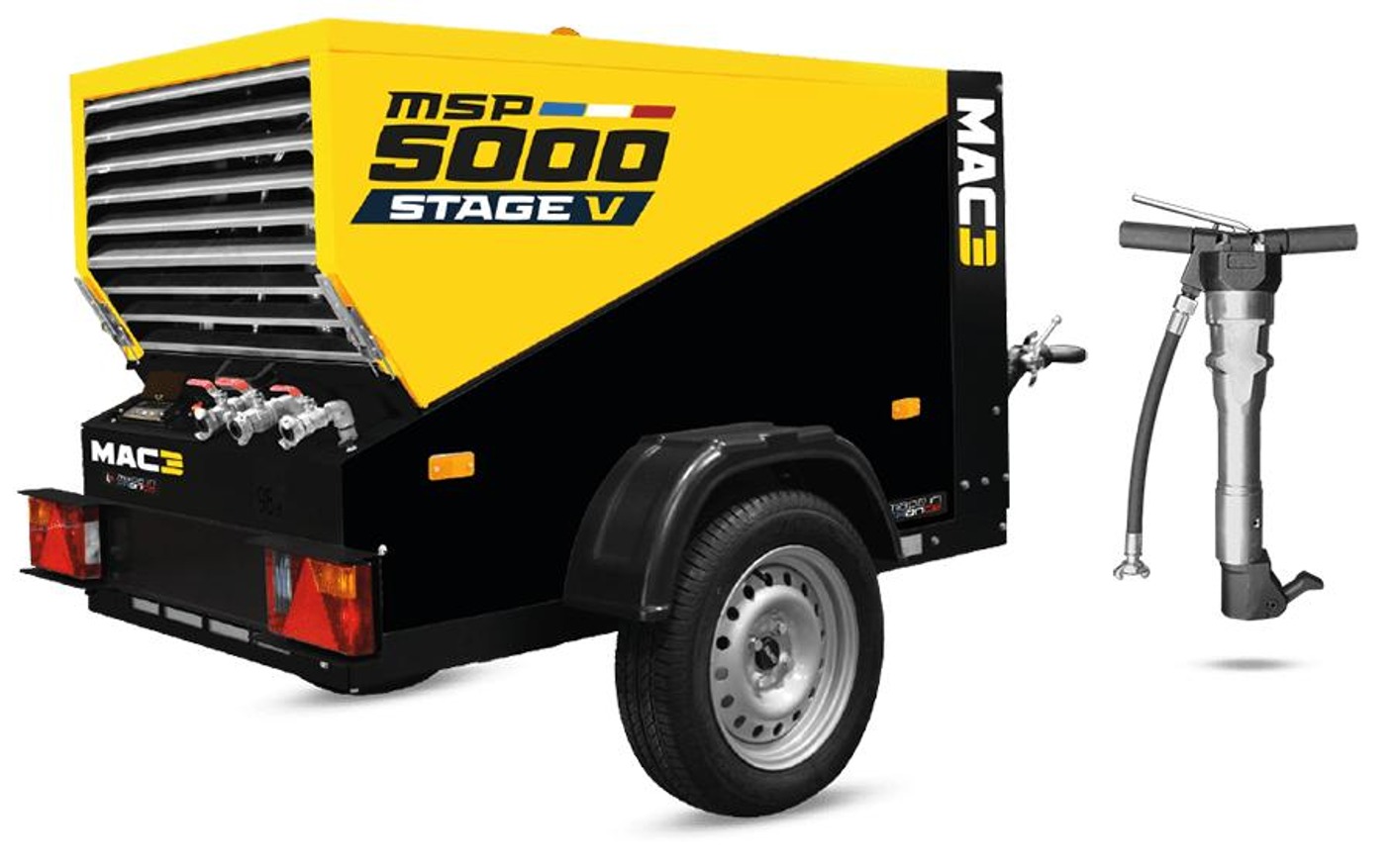
A portable air compressor is a mobile unit designed to generate compressed air for powering various tools and equipment. Unlike stationary compressors, portable models can be easily transported between job sites, making them ideal for projects that require flexibility and mobility.
Portable compressors are available in various sizes and capacities, ranging from compact units for light-duty applications to heavy-duty industrial systems capable of supporting large-scale construction and infrastructure projects.
Why Rent a Portable Air Compressor?
Lower Upfront Costs
Purchasing a high-capacity air compressor requires substantial capital investment. Renting eliminates the need for large upfront expenditures and allows businesses to allocate funds more efficiently.
Access to Modern Equipment
Rental companies regularly upgrade their fleets with newer, more fuel-efficient models. This gives customers access to the latest technology without the cost of purchasing new equipment.
No Maintenance Responsibilities
Routine servicing, repairs, and inspections are typically handled by the rental provider. This reduces operational burdens and helps avoid unexpected maintenance expenses.
Flexibility for Different Projects
Every project has unique compressed air requirements. Renting allows businesses to select the appropriate compressor for each specific application rather than relying on a single owned unit.
Reduced Downtime
Reliable rental providers often offer technical support and replacement equipment if issues occur, helping projects stay on schedule.
Common Applications of Portable Air Compressors
Portable air compressors are widely used across multiple industries.
Construction Projects
Construction sites depend heavily on compressed air to power:
-
Jackhammers
-
Rock drills
-
Concrete breakers
-
Impact wrenches
-
Nail guns
-
Spray painting equipment
Road and Infrastructure Development
Portable compressors support:
-
Highway construction
-
Bridge development
-
Utility installations
-
Pipeline construction
-
Tunneling operations
Industrial Maintenance
Many factories and industrial facilities rent compressors during:
-
Plant shutdowns
-
Maintenance turnarounds
-
Equipment repairs
-
Temporary production increases
Oil and Gas Operations
Portable compressors play an important role in:
-
Pipeline testing
-
Equipment cleaning
-
Drilling support
-
Industrial maintenance activities
Types of Portable Air Compressors Available for Rent
Diesel Portable Air Compressors
Diesel-powered units are the most popular option for outdoor construction and infrastructure projects.
Advantages:
-
High power output
-
Excellent mobility
-
Suitable for remote locations
-
Reliable performance in harsh conditions
Electric Portable Air Compressors
Electric models are ideal for environments where emissions and noise must be minimized.
Advantages:
-
Quiet operation
-
Lower emissions
-
Reduced operating costs
-
Suitable for indoor applications
Oil-Free Portable Air Compressors
These compressors provide clean, contaminant-free air for sensitive applications.
Common Uses:
-
Food processing
-
Pharmaceuticals
-
Electronics manufacturing
-
Healthcare facilities
High-Pressure Air Compressors
Designed for specialized industrial applications requiring elevated pressure levels.
Typical Applications:
-
Pressure testing
-
Industrial cleaning
-
Specialized drilling operations
How to Choose the Right Portable Air Compressor Rental
Selecting the correct compressor is critical to achieving optimal performance.
Determine Required Airflow (CFM)
CFM (Cubic Feet per Minute) measures the volume of compressed air delivered by the compressor.
A compressor should provide sufficient airflow to support all connected tools simultaneously.
Verify Pressure Requirements (PSI)
Different equipment requires different pressure levels.
Always ensure the compressor can deliver the PSI needed for your application.
Consider Job Site Conditions
Factors to evaluate include:
-
Site accessibility
-
Ambient temperatures
-
Dust levels
-
Power availability
-
Mobility requirements
Evaluate Runtime Requirements
Long-term projects often benefit from fuel-efficient compressors capable of operating continuously with minimal downtime.
Check Noise Restrictions
For projects in urban areas, residential developments, hospitals, or commercial districts, low-noise compressors may be required.
Benefits of Portable Air Compressor Rentals
Businesses that rent compressors often experience:
Improved Cash Flow
Renting preserves working capital and avoids major equipment purchases.
Scalability
Equipment can be upgraded or replaced as project requirements change.
Enhanced Productivity
Modern compressors deliver reliable airflow and improved efficiency.
Reduced Risk
Businesses avoid concerns related to equipment depreciation, storage, and resale value.
Faster Project Completion
Reliable rental equipment helps maintain uninterrupted operations.
Questions to Ask Before Renting
Before signing a rental agreement, consider asking:
-
What airflow (CFM) and pressure (PSI) does the compressor provide?
-
Is fuel included in the rental package?
-
Are delivery and pickup services available?
-
What maintenance support is provided?
-
Is emergency technical assistance available?
-
Are replacement units available if breakdowns occur?
These questions can help prevent unexpected costs and delays.
Portable Air Compressor Rental Costs
Rental pricing depends on several factors:
-
Compressor size and capacity
-
Rental duration
-
Fuel type
-
Delivery requirements
-
Project location
-
Additional accessories and hoses
While rates vary, renting is often significantly more cost-effective than purchasing equipment for short-term or project-based use.
Safety Tips for Portable Air Compressor Operation
To ensure safe operation:
-
Follow manufacturer guidelines.
-
Inspect hoses and fittings regularly.
-
Use appropriate personal protective equipment (PPE).
-
Avoid exceeding recommended pressure limits.
-
Maintain adequate ventilation around the compressor.
-
Train operators on proper equipment use.
Proper safety practices reduce accidents and extend equipment life.
Conclusion
Portable air compressor rentals provide a practical, flexible, and cost-effective solution for construction, infrastructure, industrial, and oil and gas projects. By eliminating ownership costs while providing access to modern, high-performance equipment, rental solutions help businesses improve productivity and manage project expenses effectively.
Whether you need a compact compressor for a short-term maintenance project or a heavy-duty diesel unit for large-scale infrastructure development, selecting the right portable air compressor rental can significantly impact project success. Understanding airflow requirements, operating conditions, and rental support services will help ensure you choose equipment that delivers reliable performance from start to finish.