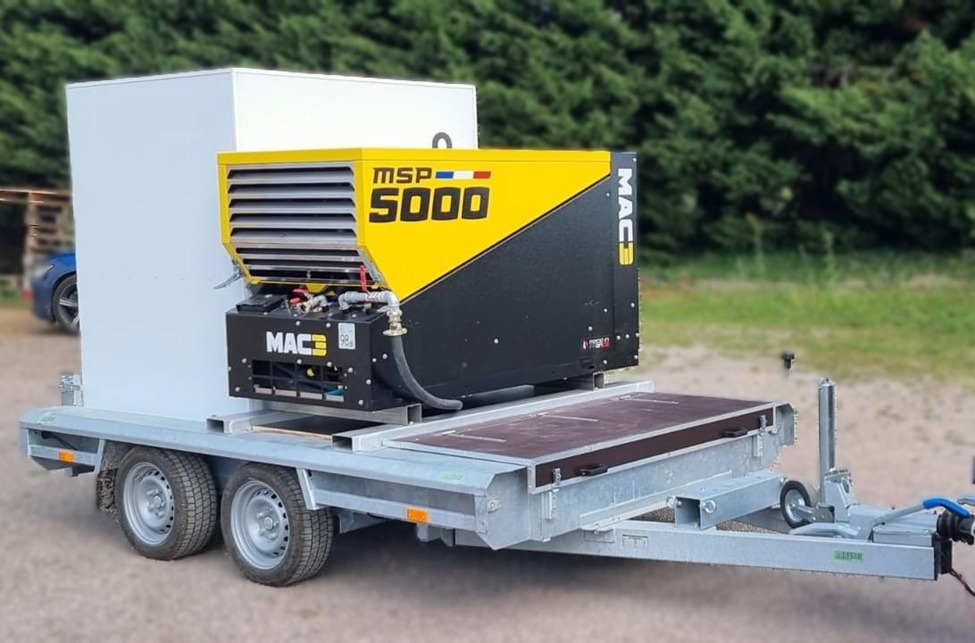
MAC3 MSP 5000 Rental vs Purchase Which Option Is Best for Your Business
Introduction
Compressed air is essential for many construction, industrial, mining, and surface preparation projects. When your operations require a reliable and high-performance portable air compressor, the MAC3 MSP 5000 is often among the top choices. Known for its powerful airflow, compact design, and durability, the MSP 5000 is widely used for powering pneumatic tools, sandblasting equipment, drilling systems, and other demanding applications.
However, one important decision businesses face is whether to rent or purchase a MAC3 MSP 5000 compressor. While ownership provides long-term access to equipment, renting offers flexibility and lower upfront costs. The right choice depends on your project frequency, budget, maintenance capabilities, and business goals.
This guide compares both options to help determine which solution delivers the greatest value for your organization.
Understanding the MAC3 MSP 5000
The MAC3 MSP 5000 is a portable diesel-powered rotary screw air compressor designed for professional applications requiring dependable compressed air delivery. Its combination of mobility, fuel efficiency, and high airflow performance makes it suitable for:
-
Construction projects
-
Sandblasting operations
-
Mining activities
-
Infrastructure development
-
Industrial maintenance
-
Utility installation projects
Its robust design allows it to perform reliably in challenging environments while supporting continuous operation throughout demanding workdays.
Benefits of Renting a MAC3 MSP 5000
1. Lower Upfront Investment
One of the biggest advantages of renting is avoiding the significant capital expense associated with purchasing industrial equipment.
Instead of investing tens of thousands of dollars in a compressor, businesses can access the equipment through affordable daily, weekly, or monthly rental agreements.
This allows companies to:
-
Preserve working capital
-
Improve cash flow
-
Allocate funds to labor and materials
-
Take on additional projects without major equipment purchases
For startups and small contractors, renting often provides the most financially practical solution.
2. Maximum Flexibility
Project requirements frequently change throughout the year.
Renting allows businesses to:
-
Increase equipment capacity during peak seasons
-
Rent only when needed
-
Upgrade to newer models
-
Return equipment when projects finish
This flexibility helps companies avoid paying for idle equipment sitting unused between projects.
3. Reduced Maintenance Responsibilities
Owning a compressor means handling:
-
Scheduled servicing
-
Oil changes
-
Filter replacements
-
Repairs
-
Compliance inspections
-
Storage requirements
When renting, many of these responsibilities remain with the rental provider.
Benefits include:
-
Less downtime
-
Reduced maintenance costs
-
Access to professionally serviced equipment
-
Lower administrative workload
This is particularly valuable for companies without dedicated maintenance teams.
4. Access to Modern Technology
Rental fleets are often updated regularly.
As a result, renters may gain access to:
-
Newer fuel-efficient models
-
Advanced control systems
-
Lower-emission engines
-
Improved safety features
Businesses can benefit from the latest technology without repeatedly investing in equipment upgrades.
5. Ideal for Short-Term Projects
If your compressor needs are occasional or project-specific, renting usually offers the best return on investment.
Typical rental scenarios include:
-
Temporary construction projects
-
Emergency equipment replacement
-
Seasonal workloads
-
Special blasting contracts
-
Infrastructure maintenance jobs
Paying only for the duration of use helps eliminate unnecessary ownership expenses.
Benefits of Purchasing a MAC3 MSP 5000
1. Long-Term Cost Savings
For businesses that use compressors daily, purchasing may become more economical over time.
After the initial investment:
-
Rental fees are eliminated
-
Equipment remains available whenever needed
-
Utilization rates increase overall ROI
Companies operating year-round often find ownership more cost-effective after several years of consistent use.
2. Unlimited Availability
Owners never need to worry about:
-
Rental fleet shortages
-
Reservation conflicts
-
Peak-season demand
-
Delivery delays
The equipment is always available whenever projects require compressed air.
For contractors managing multiple ongoing projects, this availability can significantly improve operational efficiency.
3. Asset Ownership and Resale Value
Purchasing creates a business asset that retains value.
Benefits include:
-
Equipment depreciation advantages
-
Potential tax benefits
-
Resale opportunities
-
Trade-in options toward newer equipment
A well-maintained MAC3 MSP 5000 can provide years of service while maintaining a portion of its market value.
4. Greater Operational Control
Ownership allows businesses to:
-
Customize equipment setups
-
Install specific accessories
-
Schedule maintenance according to operational needs
-
Use equipment without rental restrictions
This level of control can be advantageous for companies with specialized requirements.
5. Better for High Utilization
If a compressor is used:
-
Daily
-
Across multiple projects
-
Throughout the year
Purchasing often becomes financially advantageous compared to continuous rental expenses.
High utilization rates generally justify ownership costs.
Rental vs Purchase: Side-by-Side Comparison
| Factor | Renting | Purchasing |
|---|---|---|
| Initial Cost | Low | High |
| Monthly Expenses | Variable | Lower after purchase |
| Maintenance Responsibility | Rental Provider | Owner |
| Flexibility | Excellent | Limited |
| Equipment Availability | Subject to availability | Always available |
| Long-Term Cost Efficiency | Moderate | High for frequent use |
| Technology Upgrades | Easy | Requires reinvestment |
| Asset Ownership | No | Yes |
| Ideal For | Short-term projects | Continuous operations |
When Renting Makes More Sense
Renting is typically the better option if your business:
-
Handles occasional projects
-
Experiences seasonal demand
-
Has limited capital budgets
-
Requires specialized equipment temporarily
-
Wants to avoid maintenance responsibilities
-
Needs flexibility to scale operations
Construction startups, blasting contractors, and temporary infrastructure projects often benefit most from rental agreements.
When Purchasing Makes More Sense
Buying is generally the better investment if your company:
-
Uses compressed air equipment daily
-
Operates year-round projects
-
Has predictable equipment requirements
-
Maintains an in-house service team
-
Plans long-term expansion
-
Wants to build equipment assets
Large contractors, industrial facilities, and mining operations frequently achieve better long-term returns through ownership.
Key Questions Before Making a Decision
Before choosing between renting and purchasing, ask:
How often will the compressor be used?
Frequent usage generally favors purchasing.
What is the available budget?
Limited capital often makes renting more attractive.
Can your team handle maintenance?
If not, rental agreements may reduce operational complexity.
Will technology requirements change?
Businesses expecting future upgrades may prefer rental flexibility.
How important is equipment availability?
Critical operations often benefit from ownership and guaranteed access.
Conclusion
Both renting and purchasing a MAC3 MSP 5000 compressor offer distinct advantages. Renting provides flexibility, lower upfront costs, and reduced maintenance responsibilities, making it ideal for short-term or variable workloads. Purchasing delivers long-term value, unrestricted availability, and asset ownership for companies with consistent compressor requirements.
The best choice ultimately depends on your equipment utilization rate, financial strategy, project pipeline, and operational needs. By carefully evaluating these factors, businesses can select the option that maximizes productivity, controls costs, and supports long-term growth.