How to Choose the Right Construction Equipment for Your Project
How to Choose the Right Construction Equipment for Your Project
Choosing the right construction equipment for your project can mean the difference between success and costly delays. Whether you're managing a small renovation or a large commercial build, having the right tools ensures efficiency, safety, and budget control. With the growing popularity of construction equipment rental, it's now easier than ever to access high-quality machinery without the long-term investment. But how do you ensure you're selecting the right equipment for your specific needs?
In this guide, we’ll walk through the key factors to consider when choosing industrial equipment, the benefits of hire of equipment, and why specialized options like rental air compressors can be a smart move.
1. Understand Your Project Needs
Before browsing rental catalogs or visiting equipment suppliers, take time to define your project's scope:
Project Size and Duration: A large-scale, months-long project might need heavy-duty equipment, while smaller jobs may only require basic tools.
Type of Work: Different projects—earthmoving, demolition, road construction, or interior finishing—require specialized machinery.
Site Conditions: Will you work in tight urban spaces, muddy terrains, or rough, uneven ground? Equipment size, mobility, and power need to match the environment.
By thoroughly assessing these factors, you’ll be better positioned to select the ideal machines and avoid wasting money on equipment that’s too big, too small, or ill-suited.
2. Decide Between Buying and Renting
In today's fast-paced industry, construction equipment rental is often the preferred option. Here's why renting might be the smarter choice:
Cost Efficiency: Renting saves the upfront investment of purchasing. You only pay for the duration you need.
Maintenance: Rental companies usually handle regular maintenance and repairs, reducing your downtime and costs.
Access to Latest Models: Rental services offer modern, well-maintained equipment, letting you use the latest technology without ownership hassles. Flexibility: If project requirements change, you can easily swap or upgrade rented equipment. If your need for certain machinery is short-term or project-specific, opting for hire of equipment can maximize your budget and operational flexibility.
3. Evaluate Equipment Performance and Suitability
When choosing industrial equipment, performance and suitability are key. Always check:
Load Capacity: Can the equipment handle your project's heaviest loads?
Power Source: Does it use diesel, electricity, or compressed air? Match the power type to the jobsite's available resources.
Ease of Use: Choose user-friendly models to reduce operator training time and minimize errors.
Attachments and Accessories: Look for machines that allow add-ons, such as different buckets, breakers, or lifts, to enhance versatility.
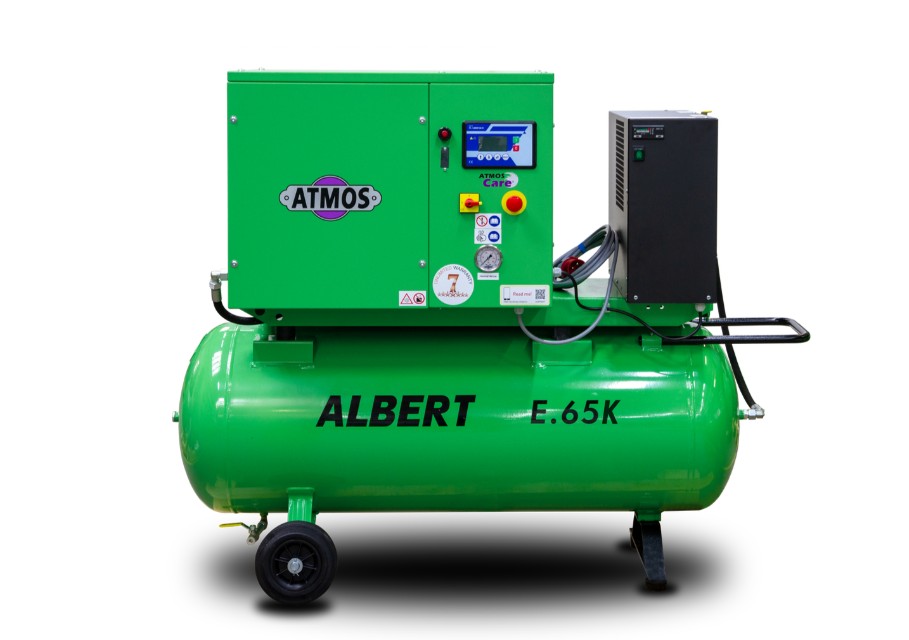
For example, if you require portable power tools or sandblasting equipment, rental air compressors are a must. They provide reliable, mobile energy sources ideal for a wide range of tasks—from pneumatic drilling to painting.
4. Work with Reputable Rental Companies
Selecting the right rental partner is just as important as picking the right machine. Here’s what to look for:
Wide Inventory: A good provider should offer a full range of equipment options.
Maintenance Records: Always ask for maintenance histories to ensure machinery reliability and safety.
Clear Rental Terms: Understand rental rates, insurance policies, and what happens if equipment breaks down on site.
Customer Support: Quick, expert assistance can save you serious downtime if an issue arises.
Well-established companies specializing in construction equipment rental often provide training, transport services, and technical support, offering even more value.
5. Plan for Logistics and On-site Management
Having the right equipment is only half the battle; you must also plan how it will be delivered, operated, and maintained on-site:
Transportation Needs: Ensure you have the means to move heavy equipment safely to and around the site.
Storage: Plan secure areas to store machinery when not in use, especially for long-term projects.
Operator Training: Hire trained operators or ensure that your team is certified to operate specialized machinery.
Safety Compliance: Make sure all equipment meets regulatory safety standards.
By thinking through these practical logistics, you can avoid costly mistakes and keep your project running smoothly.
6. Special Focus: When to Rent Air Compressors
Rental air compressors are essential in many industries beyond construction, such as manufacturing, oil and gas, and mining. For construction projects specifically, they’re invaluable for:
Pneumatic Tools: Powering jackhammers, drills, and impact wrenches.
Painting and Sandblasting: Providing consistent air pressure for surface preparation.
Concrete Work: Supplying air for concrete vibrators to eliminate air bubbles.
General Power Needs: Acting as backup or supplementary power for various systems.
When selecting an air compressor, consider the pressure (PSI) and airflow (CFM) needed for your tools, as well as the compressor’s portability and fuel type. Many rental companies can help you match a compressor to your exact job requirements.
Conclusion
Selecting the right construction equipment doesn’t have to be overwhelming. By carefully assessing your project needs, understanding the advantages of construction equipment rental, and working with a trusted provider, you can streamline operations and maximize your project's success.
Whether you’re looking at hire of equipment for heavy earthmovers or simply need rental air compressors for a series of finishing tasks, choosing the right tools is an investment in safety, efficiency, and quality results.
Planning ahead and partnering with the right rental services will not only save you money but also keep your project on schedule—and on point.